Chacoan naked-tailed armadillo
Cabassous chacoensis
Reproduction: Probably one offspring at a time.
Weight: 1 – 2.4 kg
Diet: Ants and termites, and sometimes seeds and fruits.

Common Names
English – Chacoan Naked-tailed Armadillo
Spanish – Cabasú Chaqueño, Cabasú Chico, Tatú-ai Menor
Portuguese – Tatu-de-Rabo-Mole do Chaco
German – Chaco-Nacktschwanz-Gürteltier
French – Tatou du Chaco
How to Identify:
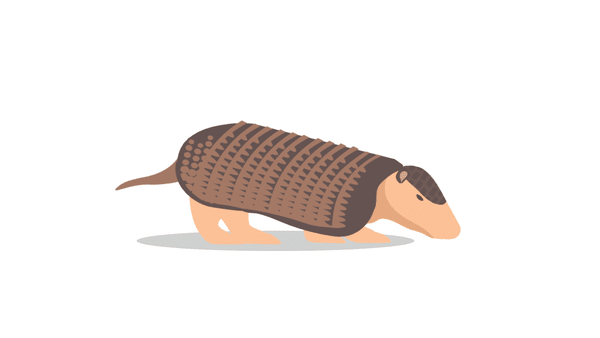
Carapace Brown to dark brown
Ears 1.45 cm length, tiny
Moveable bands 10-13
Tail Naked! It is only covered with thin, widely spaced plates, and lacks the complete armor present in other armadillos
IUCN Red List
Species are classified into one of nine Red List Categories: Extinct, Extinct in the Wild, Critically Endangered, Endangered, Vulnerable, Near Threatened, Least Concern, Data Deficient and Not Evaluated. Vulnerable, Endangered and Critically Endangered species are considered to be threatened with extinction.

Chacoan naked-tailed armadillo Facts
- Spends more time underground than most other armadillo species.
- In Mexico, the species is thought to be poisonous, although this is not supported by scientific research.
- Like all naked-tailed armadillos, they rotate their body and sometimes dig upside down. The burrow entrances and tunnels are circular because of this.

Habitat
- Thorn forests
 Population Trend
 Population Trend
• Unknown
Threats
 Threats
- Hunting
- Habitat degradation
- Farming
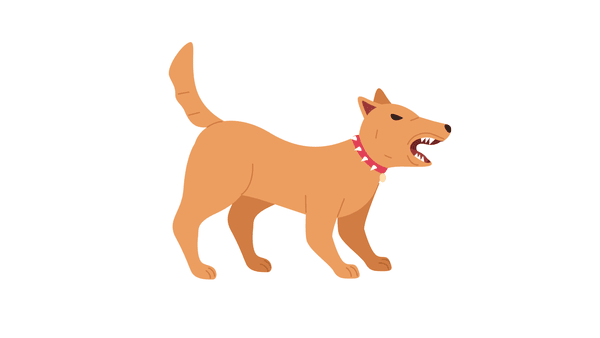
- Predation by dogs




Here are some ways YOU can help keep armadillos healthy and safe:
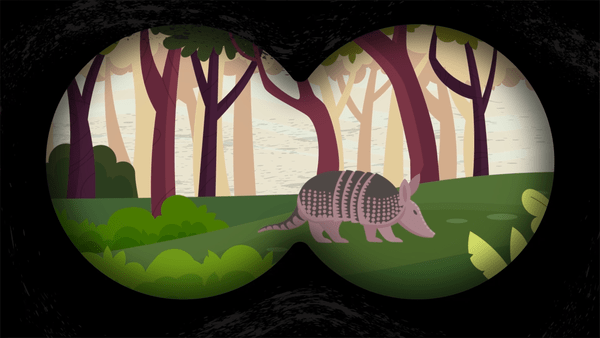
– It is best to observe them from a distance and in silence.
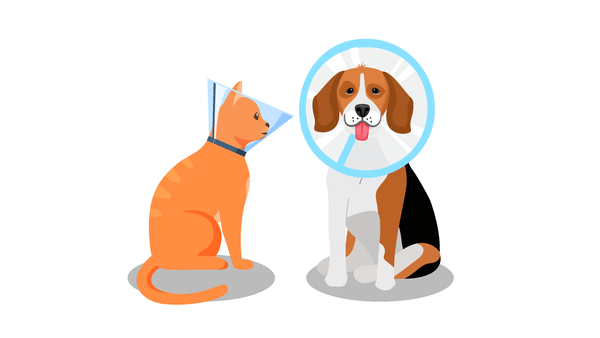
– Our pets could attack them. It is important to keep your dog on a leash when you go for a walk, or keep your pets at home in an enclosed and safe area. In addition, taking care of our pets also means spaying and neutering them so that they do not breed without control.
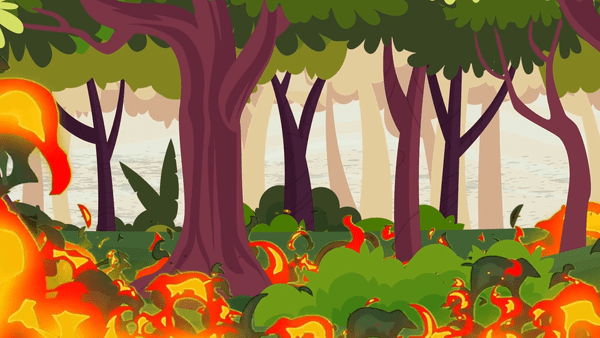
– Another way to help protect the areas where armadillos live is by not starting fires.
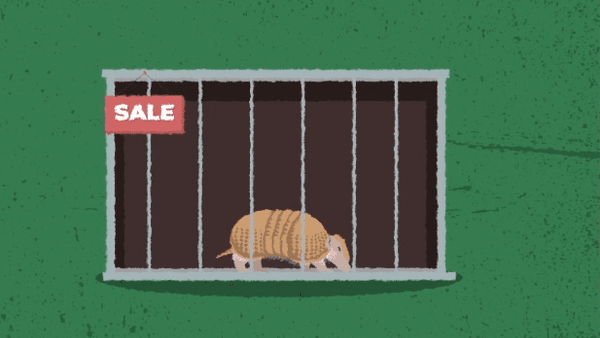
– Armadillos love to live in nature, keeping them as pets is not good for them. Keep in mind that they don’t like selfies either.
– If you find an injured armadillo, contact a wildlife hospital so they can help it.
– Deforestation is often caused to make more land for livestock. Eating less meat may help save our forests.

Test your new knowledge!
Test your new armadillo expertise by visiting our armadillo word search, puzzles, coloring sheets and name games!

Check out this video to see how much you have learned!
The Anteater, Sloth, Armadillo Specialist Group has a store that directly helps xenarthran conservation!